The Comic Labour Research Project (CLRP) is an independent study into the historic and contemporary working conditions of comic creators in North America.
Comics are perhaps the most vital 21st-century art forms. They define, blend, and break genre definitions. They inspire intense fandoms. They take creative risks that could never see approval in other mediums. They serve as the origin point for massive multimedia franchises.
They are also frequently a precarious form of creative labour for the vast majority of professionals. In the past, creators of incredibly profitable intellectual property have been denied a share in their creation’s profits. Today, most comics creators operate as independent contractors, working from home or rented studio spaces.
As a result, the comic industry also enjoys a long history of creators innovating to build their own supports, from training materials to mentorship programs, from community studios to online spaces.
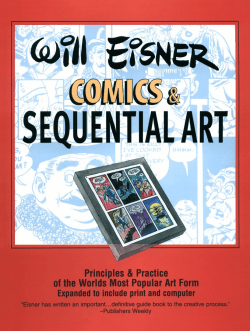
Will Eisner’s Comics & Sequential Art (1985) is one of the first instructional art books on comics to focus on the unique structure of the medium.
This project began as an attempt to better understand the labour that goes into creating comics. Its initial goal was to understand how creators manage to collaborate when working across long distances.
Answering that initial question brought me to study community studios: spaces rented by a collective of artists seeking to build community resources and support one another’s work. I thought that studying studios would teach me more about how comic creators collaborated on projects, but what it really demonstrated was how pooling their collective knowledge, expertise and resources helps these creators navigate the industry.
Now, the project turns to focusing on collaboration within online spaces. With the cost of rent in major urban centres rising to unsustainable levels, more and more artists are building their communities online. These online spaces appear to be important sites for advocacy, education, and mentorship.
While the focus shifts, the goal remains the same: to seek a better understanding how comic creators support one another through grassroot efforts to make their profession more stable and sustainable.
 The Comics Labour Research Project
Leave a comment